In 2025, DASH further shifted its focus from model development towards validation, reproducibility, and real-world implementation. The emphasis was on ensuring that research outputs can be translated into meaningful impact in healthcare practice.
Hands-on experience for researchers
Researchers gained practical experience through a range of initiatives focused on applied data science and safe experimentation. A key development was the creation and evaluation of synthetic datasets with controlled privacy risks. These datasets enable experimentation and education without exposing patient-level data. By the end of 2025, a synthetic dataset based on the TransplantLines cohort was developed for educational use, allowing students to practise statistical methods in a secure environment.
Advancing clinical training with generative AI
In collaboration with Ligia Cayres Ribeiro and partners, Noha El-Baz and Rozemarijn Vliegenthart contributed to a publication on generative AI for clinical reasoning education. The work focuses on synthetic patient vignettes derived from real questionnaire data, supporting clinical training while preserving privacy.
Research tools workshops
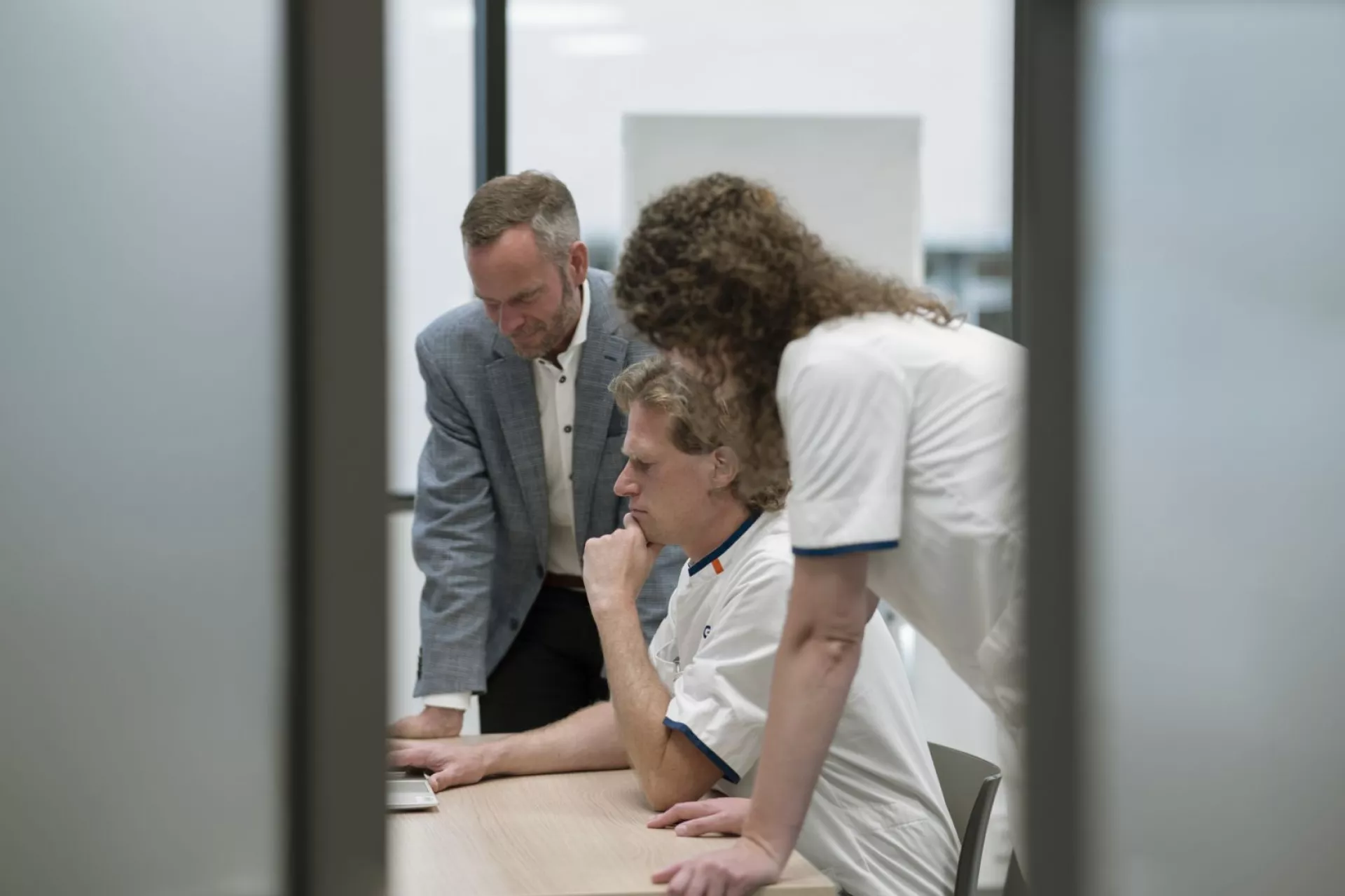
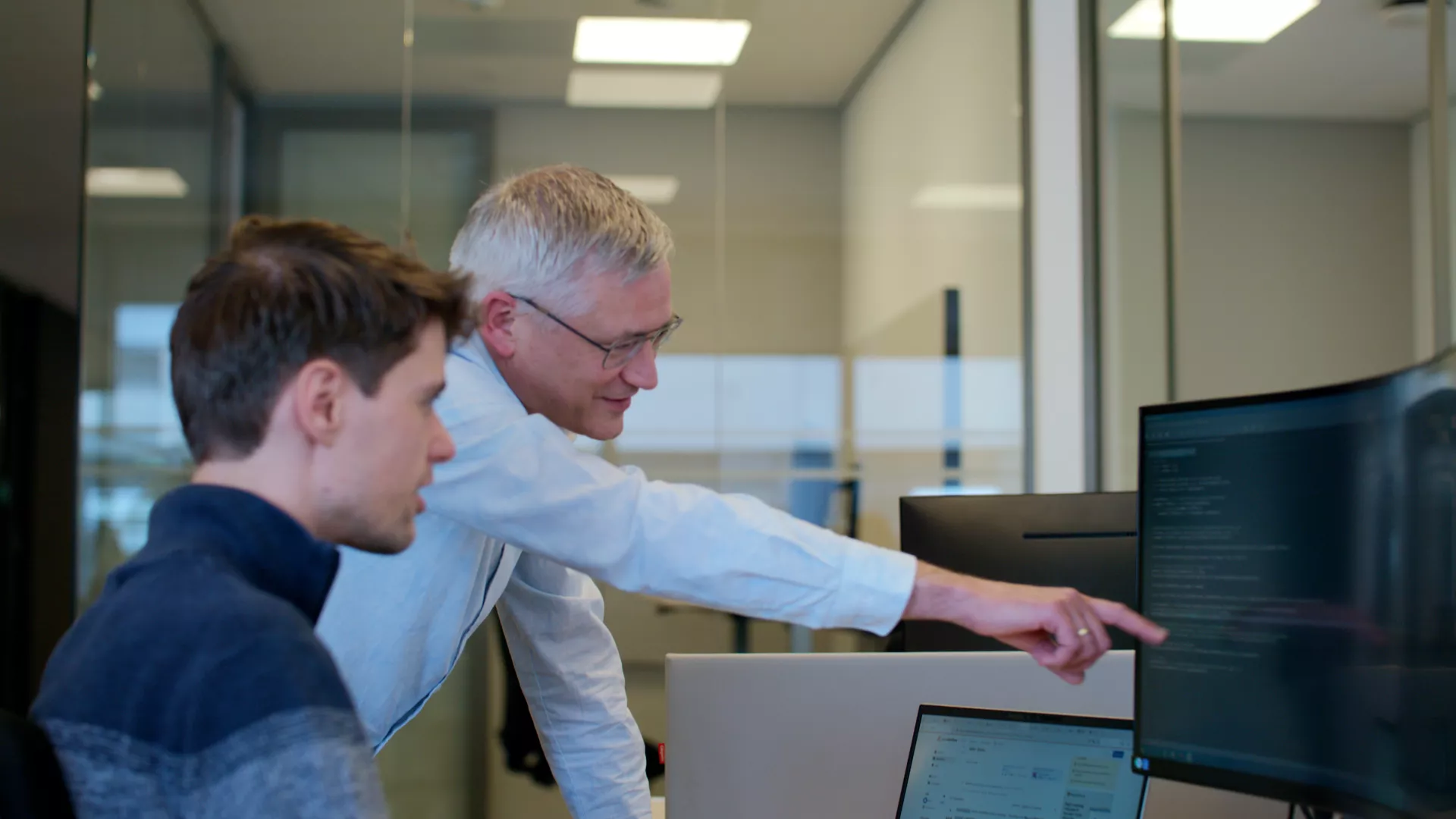
DASH also organised research tools workshops, offering interactive sessions on practical IT support, data infrastructure, and the application of data science and AI methods. These workshops allowed PhD candidates and researchers to immediately apply new methods in practice, while also strengthening collaboration across research groups.
Collaboration and ecosystem building
DASH worked closely with partners including the Cohort and Biobank Coordination Hub (CBCH), Datapoort, the Applied AI programme, the Digital Competence Center (DCC), and Lifelines. These collaborations strengthen data availability, infrastructure, and responsible use of health data.
Selected DASH project
The DASH project 'AI-Driven Metabolomics: Enhancing Inborn Metabolic Disease Screening' by Joost Groen was selected in 2025, illustrating the growing focus on applied AI in clinical screening and diagnostics.
A highlight for me in 2025 was setting up the research tools workshop with colleagues and running a successful pilot. Looking ahead, I hope to see more insights into how we can bring research into clinical practice.
Key highlights:
Development of synthetic datasets with controlled privacy risks
TransplantLines dataset adapted for education and training
Research tools workshops supporting hands-on data science application
Continued development of secure AI research cloud environment
Strong collaboration with CBCH, Datapoort, DCC, Lifelines, and Applied AI programme
Selected DASH project on AI-driven metabolomics for metabolic disease screening
Generating a synthetic dataset for educational use was a highlight of 2025. It allows students to learn safely, and in 2026 I aim to expand this approach to other datasets within DASH.