
Introduction
The Department of Epidemiology at UMCG is committed to contributing to a healthier future for all. We do this by (co-)establishing cohorts, conducting and supporting scientific research and complex (big) data analyses, and providing education and training.
Our research is innovative and focuses on personalised prevention of common chronic diseases and their consequences. We are experts in setting up, analysing and interpreting cohorts and cohort data. We support the UMCG Data Valley with our contribution to the population and clinical cohorts of the UMCG. We offer innovative education at bachelor's, master's and postdoctoral level. We collaborate with other (pre)clinical departments/groups in the field of education and research and set a good example to others with our quality. Our goal is to be a vibrant education and research group and to be visible within the UMCG, in the region, nationally and internationally.
The past few years have been a period of major changes within the Epidemiology Department at the UMCG. Following the death of our department head, Professor Marieke Boezen, Professor Truuske de Bock was appointed interim department head. After some time, this appointment became permanent. There were personnel changes within the secretariat and the staff. PhD students and students started their research, worked on their theses and defended them. Thanks to government policy to strengthen education and research by focusing on permanent jobs for young researchers and lecturers, we were able to appoint and train new people, both in the field of working with and using AI and in the field of lifestyle.
At the same time, the environment of the epidemiology department changed. With Koers25, the organisation of the UMCG was changed. Sectors became clusters, and the epidemiology department is no longer part of Sector F, but now falls within the Primary Care, Public Health and Prevention (PPP) cluster. Together with the departments of Primary Care and Long-Term Care, Health Sciences, Movement Sciences, Dentistry and Orthodontics, we are working on mutual reinforcement. The research programmes were also reorganised. The most important change in the new organisation is that decision-making and management are now more decentralised.
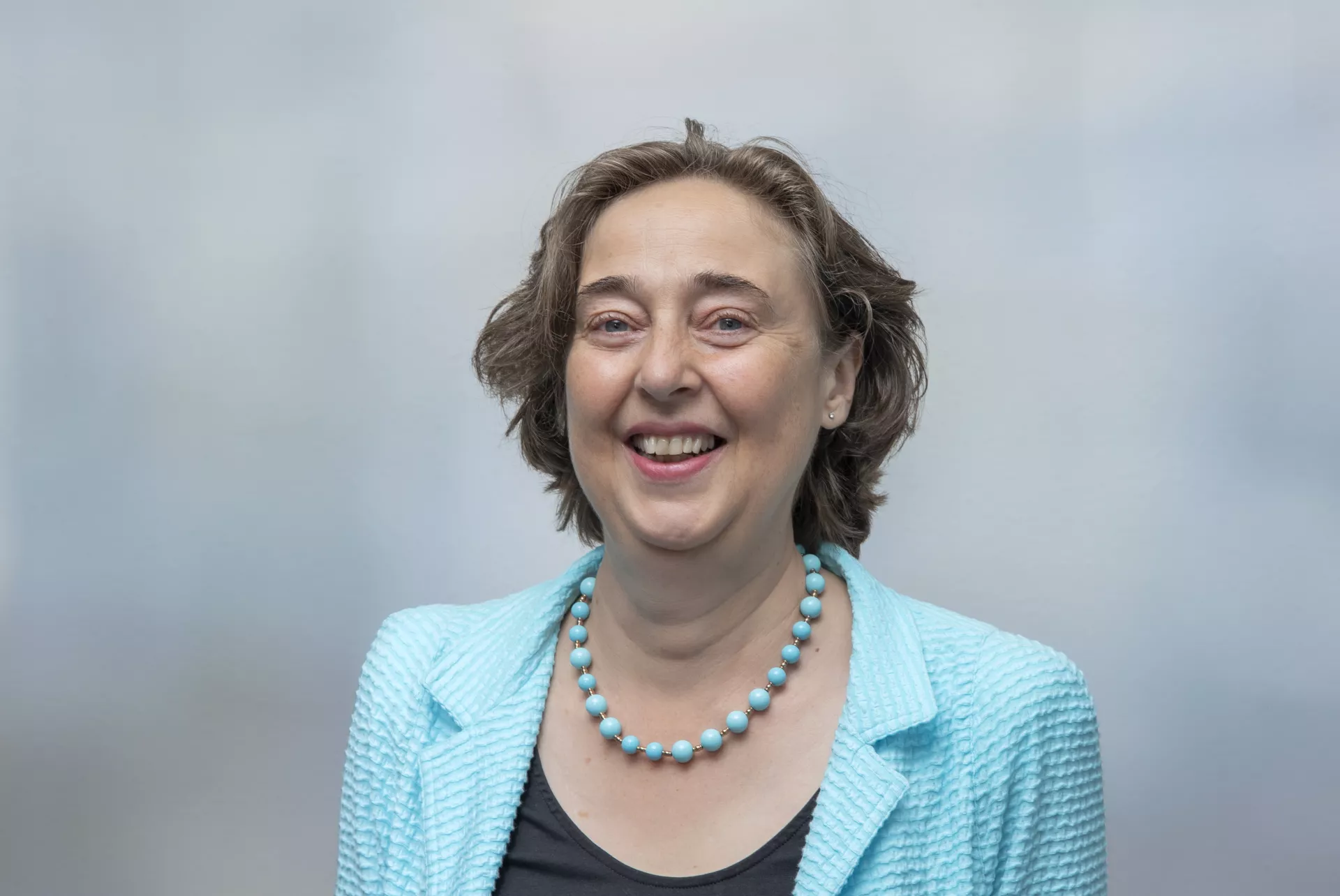
In order to be a strong partner in this changing environment, we have focused on strengthening ties and cooperation within the department and the cluster. Each research unit has re-evaluated what it stands for and what it does not stand for. We have had extensive discussions about how we can connect to three sections and who will take on the role of section chair. We launched this new organisation in 2025. We also looked at how we could connect across the department. You can read more about this in this annual report.

Finally, I would like to say something about why this annual report covers the period from 2021 to 2024. At first, we thought we could do without an annual report. After all, there are many systems inside and outside the UMCG that keep track of everything, and our highlights appear on LinkedIn. Ultimately, however, we missed our annual report. It takes a lot of time to extract lists from systems, and they are not always entirely accurate. We hope you enjoy reading this report.
Erwin Kort and Truuske de Bock