

Chronic airway diseases epidemiology
This unit has a leading international profile in the epidemiology of chronic airway diseases such as asthma and COPD. Their research, which is embedded within the multidisciplinary Groningen Research on Asthma and COPD (GRIAC) group, focuses on genetic and epigenetic factors, environmental exposures, and gene–environment interactions that influence disease onset and progression. They aim to translate their findings into societal recommendations. For example, their Lifelines study showed that certain occupations are associated with reduced lung function, highlighting the need for protective measures. The team actively engages patients in shaping research questions and collaborates globally through consortia such as CADSET and the International COPD Genetics Consortium.
Highlight

In 2022, Maaike de Vries got promoted to Assistant Professor in Respiratory Epidemiology. In this role, she continues to develop and strengthen the research line established by the late Professor Marike Boezen.
Genetic epidemiology
Our group plays a central role in teaching and in genetic data analysis across major UMCG cohort studies. We provide training in genetic epidemiology, R programming, and Lifelines data handling, and are involved in Epidemiologist B registration. We coordinate genetic research in Lifelines, TRAILS, and GECKO, and lead or co-lead multiple international consortia on traits like blood pressure, kidney function, and glaucoma. Our research supports personalized prevention and medicine through predictive models using genetic risk scores and gene–environment interactions. We also explore epigenetics and machine learning to advance precision medicine, and coordinate genome-wide genotyping via the UMCG Genetics Lifelines Initiative (UGLI).
Highlights

Health behaviour epidemiology
Our research focuses on understanding how health behaviours—such as physical activity, alcohol use, smoking sleep, social and cognitive activities —develop over the life course and how they influence healthy life expectancy. We study key moments when people may be more open to behavioural change and evaluate lifestyle interventions aimed to optimize healthy (cognitive) ageing and to reduce disease risk. In addition, we explore how the food and physical environment shape these behaviours. Using data from large randomized controlled trials (FINGER-NL) and cohort studies (Lifelines), and in collaboration with the Netherlands Interdisciplinary Demographic Institute and national consortia (MOCIA, FINGER-NL, BIRD-NL), we aim to support public health through evidence-based insights.
Highlight

In November 2023, the Health Behaviour Epidemiology unit proudly organized the symposium “De voedselomgeving en overgewicht in Nederland” (“The food environment and overweight in the Netherlands”) at the UMCG. The event was held to mark the PhD defence of Carel-Peter van Erpecum, whose research explored the relationship between fast-food availability and body weight in the Dutch population. His study revealed that people living in areas with more fast-food restaurants tend to have a higher BMI, with the strongest effects seen in socio-economically vulnerable neighborhoods. The symposium brought together more than 120 researchers, policy makers, and other professionals to discuss how the built food environment can influence public health and how interventions might help create healthier communities!
Nutritional Epidemiology
Our research focuses on the role of diet in Improving health in people who already suffer from a chronic condition. Through observational studies and lifestyle interventions, we assess outcomes such as obesity, glucose metabolism, type 2 diabetes, multimorbidity, and mortality. We explore how these associations vary by age, disease severity, gender and socio-economic status. Furthermore, we consider the sustainability of our diets – whether diets that benefit the planet also support human health, especially in vulnerable groups such as children, elderly and patients. Poor nutrition is a major global and national issue, driving non-communicable diseases. Our work quantifies its impact and informs strategies for healthy, sustainable diets for at-risk populations.
Highlight
On the 10th of September 2024 we published an article we’re very proud of, “Effect of an exercise intervention or combined exercise and diet intervention on health-related quality of life-physical functioning after kidney transplantation: the Active Care after Transplantation (ACT) multicentre randomised controlled trial”.
This study demonstrates that a structured lifestyle programme, combining supervised exercise and lifestyle counselling, and in some cases dietary guidance - is safe, feasible and effective in improving physical fitness and quality of life among kidney transplant recipients.
Oncological Epidemiology
The Unit of Oncological Epidemiology focuses on improving early cancer detection and understanding the long-term effects of treatment. By identifying high-risk populations and refining screening strategies through cohort analyses and predictive modeling, the team assesses both benefits and risks such as overdiagnosis and false positives. The group leads OncoLifeS, a large-scale biobank combining clinical data, biological samples, and patient-reported outcomes to support personalized oncology care. Their work promotes early diagnosis, reduces treatment burden, and enhances patient quality of life. Validated prediction models are openly available, reinforcing their commitment to evidence-based, transparent cancer research. Learn more about research at OncoLifeS.
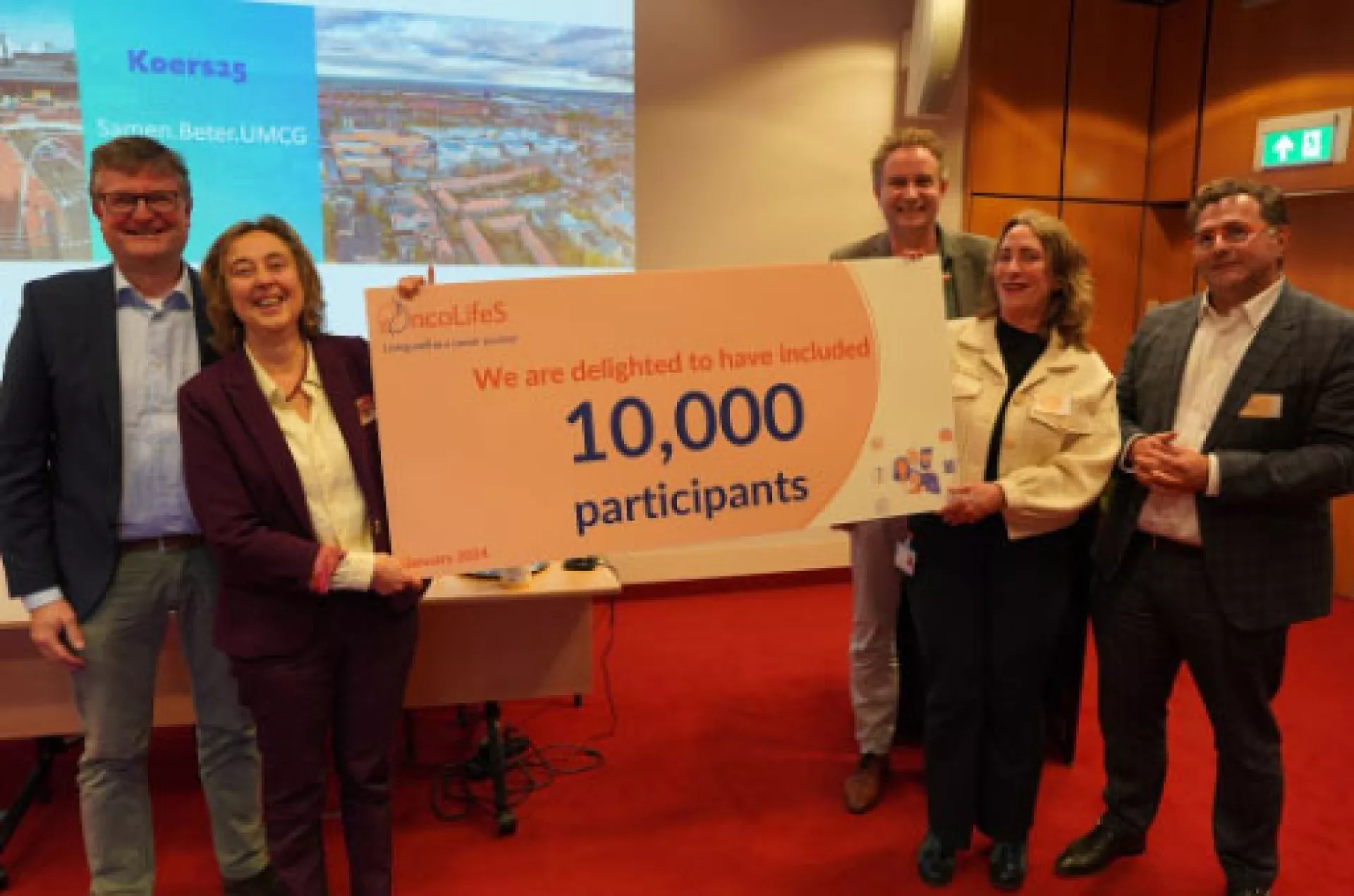
Highlight: OncoLifeS celebrates 10 year anniversary
On November 11, 2024, the OncoLifeS data- and biobank marks its 10-year anniversary. Since its founding in 2014, OncoLifeS has provided patients and researchers with the opportunity to collaborate on groundbreaking cancer research. As a data biobank, OncoLifeS collects and stores data and biological material from cancer patients, including blood, urine, stool, bone marrow, saliva, and tissue. This data enables researchers at UMCG and beyond to advance cancer research and enhance patient care, both now and in the future.
Patient-centered Health Technology Assessment (HTA)
We investigate healthcare interventions that improve or maintain patient health while remaining affordable for society. Health Technology Assessment (HTA) is a multidisciplinary process that uses structured, transparent methods to evaluate the value of health technologies - such as drugs, surgical procedures, and diagnostic tests - at various stages of their lifecycle. Our team brings together expertise in statistics, epidemiology, health economics, psychometrics, and other disciplines to assess both the health benefits and cost implications of medical treatments and interventions. We place the perspectives of patients, healthcare professionals, payers, the public, and policymakers at the core of our research.
Hightlights HTA

We celebrated an incredible milestone: Karin Vermeulen's 25th work anniversary at UMCG! Over the years, Karin has made an outstanding contribution to the patient centered HTA unit at the Department of Epidemiology, showcasing unwavering dedication, expertise, and passion for research and education. Thank you Karin!
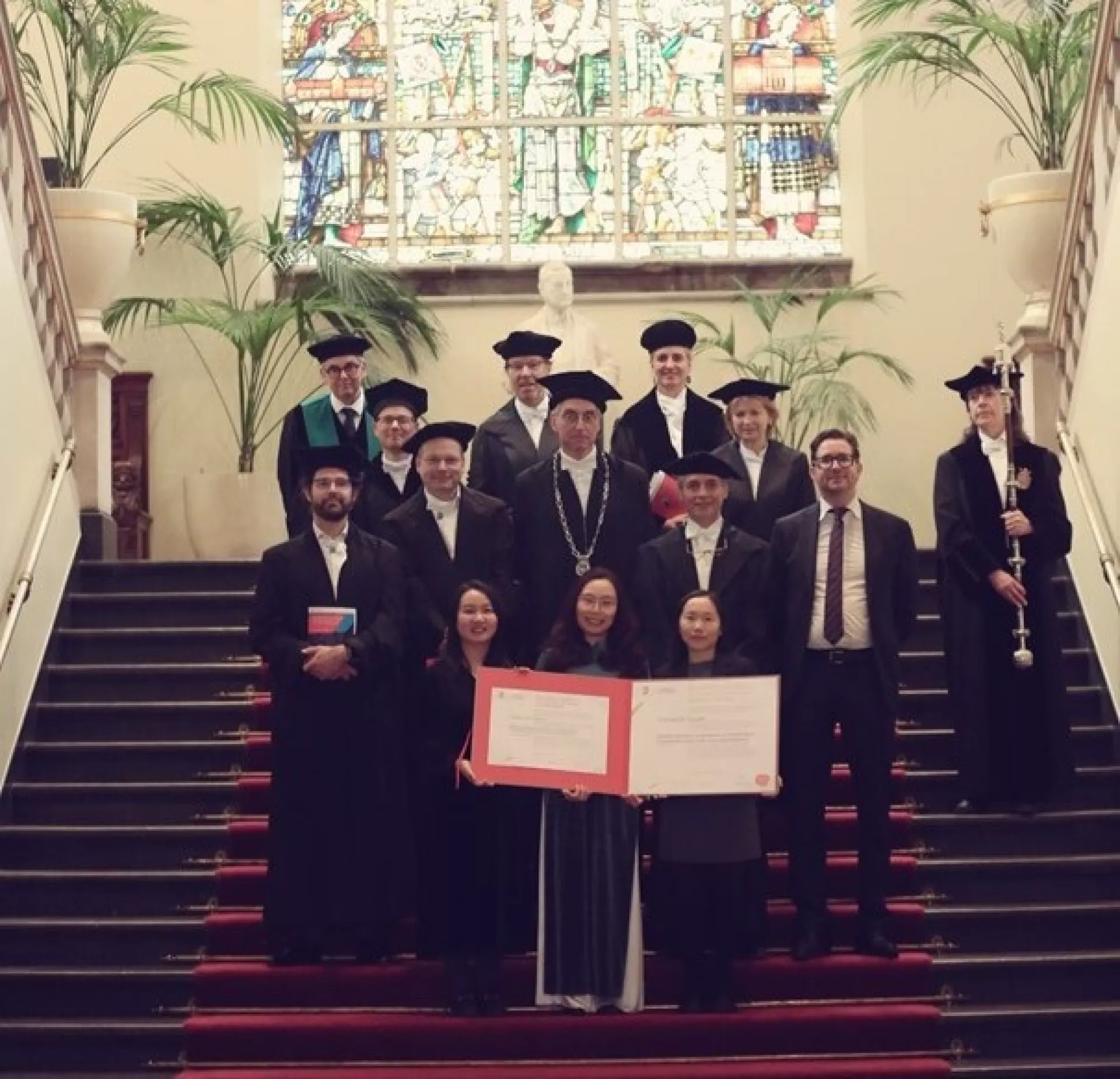
Chi Nguyen Phuong's PhD defense
On March 6th, 2025, we celebrated Chi Nguyen Phuong’s successfully defense of her PhD thesis, "Health Economic Evaluation of Reperfusion Treatments and Stroke Care Organizations", which was conducted within the CONTRAST consortium.
Due to her outstanding research and an exceptional defense, she was awarded her PhD degree cum laude - an incredible achievement that makes the entire promotion team extremely proud!
Personalized Medicine
We focus on bridging the gap between scientific innovation and patient benefit by developing efficient, cost-effective, and personalized care strategies. Through strong collaborations, we analyze complex data from genomics, exposome, clinical measurements, medications, and patient-reported outcomes to identify causal and predictive factors in diseases such as cancer, psychosis, and digestive disorders. Our work advances the implementation of personalized medicine by combining genetic, clinical, and epidemiological data, multi-omics approaches, telemedicine, and disease trajectory prediction. We also contribute through teaching and knowledge-sharing in genetic and epidemiological methods, supporting the integration of personalized medicine into public health and clinical practice.
Highlight
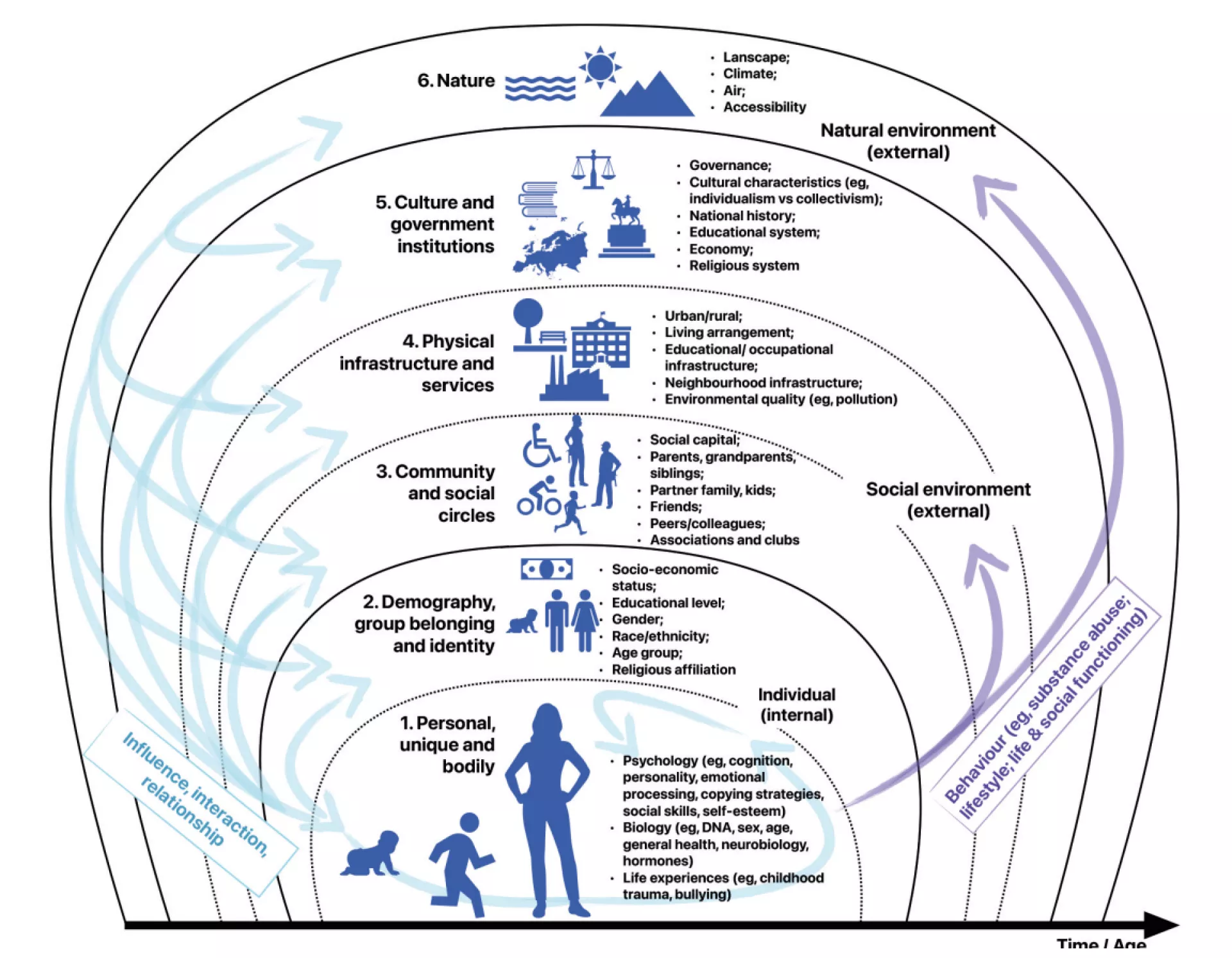
Our group is proud to introduce and implement the HUMANS (Holistic Unified Model of Anthropological and Natural Systems) - a groundbreaking framework shaping the future of precision psychiatry. HUMANS redefines mental health care by integrating biological, psychological, social, and environmental dimensions into one coherent model. It promotes a truly person-centered and holistic approach to understanding, preventing, and treating mental illness. Through HUMANS, our team leads the transition toward integrated, data-informed, and recovery-oriented psychiatry, ensuring that every individual is seen and supported within their full human and social context.
Medical Statistics and Decision Making
Large amounts of data about our health are being collected in biobanks and clinical databases. We develop statistical methods to identify patterns in these data, to increase our understanding of the cause and prevention of disease, as well as decision analysis techniques to support benefit-risk assessments of medicines and medical decision-making. Our unit teaches statistical methods to undergraduate and postgraduate students through a range of basic and advanced courses, and we provide statistical support to other researchers through the Clinical Research Office, the Clinical Trial Hub, and through short- and long-term collaborations with various clinical departments across the UMCG.
Highlights

This year, the Bachelor Statistics course was substantially enriched in content and completely redesigned didactically by Sacha la Bastide, resulting in a high pass rate and very positive student evaluations.
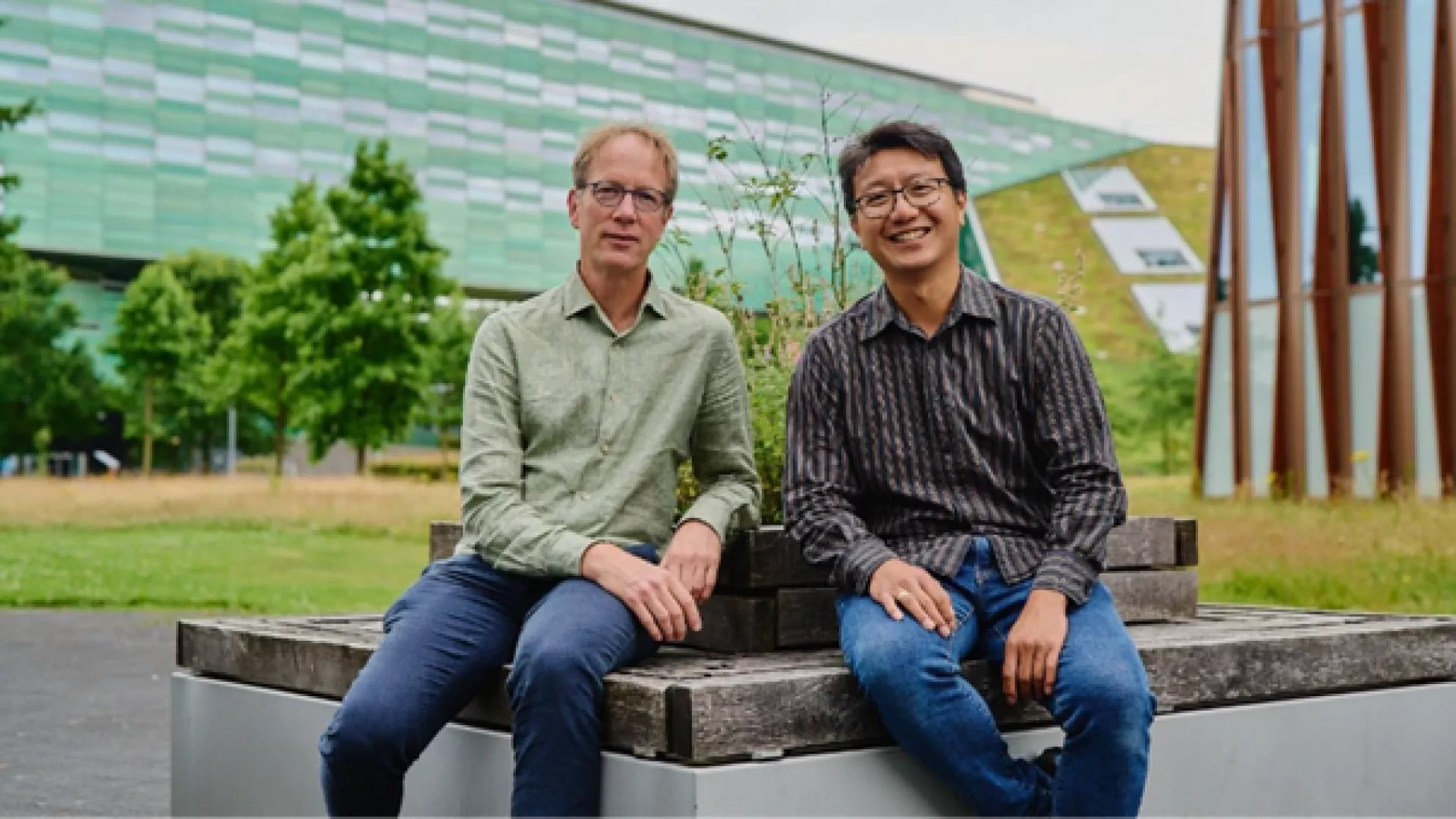
The UG/UMCG Biotech Booster project “Haplotagging”, led by Frank Chan and Gerton Lunter, received €200,000 in funding to further develop an innovative genotyping platform.